
There is a lot of conversation these days about the importance of having a sense of purpose — having a reason to get up in the morning, something to contribute, someone or something that relies on us, as there should be!
It’s something I have thought about for a long time in relation to aged care.
Many people entering residential aged care have spent their entire adult lives being needed.
They may have raised children, cared for partners and grandchildren, cooked the family meals, tended gardens, washed clothes, maintained homes, worked, volunteered or been the person everyone else relied upon.
Then, sometimes quite suddenly, they move into aged care.
Meals are prepared. Washing is done. Rooms are cleaned. Gardens are maintained. Appointments and activities are organised.
Of course, there are very good reasons for providing this support. But I often wonder: what happens to a person’s sense of purpose when everything they once did for themselves — and for others — is now done for them?
A sense of purpose isn’t something we should lose simply because we get older or need more support.
Purpose gives us a reason to participate. It creates connection and responsibility and allows us to feel that we still have something valuable to contribute.
And purpose doesn’t have to come from something big.
It can be setting the table for lunch. Folding the washing. Watering a plant. Helping prepare a meal. Growing herbs for the kitchen. Looking after something and watching it flourish.
Sometimes the simplest responsibilities can bring back that wonderful feeling of “this is mine to do.”
Gardening is a wonderful example.
Rather than simply being another scheduled activity, a garden can give someone an ongoing responsibility and something to look forward to.
There are seeds to plant, seedlings to nurture, plants to water and vegetables, herbs or flowers to harvest. There is progress to watch from one day to the next.
Most importantly, there is something that needs you.
For someone who has spent decades caring for a family, a home or a garden, reconnecting with those familiar roles can be incredibly meaningful.
But if we want gardening to create genuine purpose, it needs to be accessible.
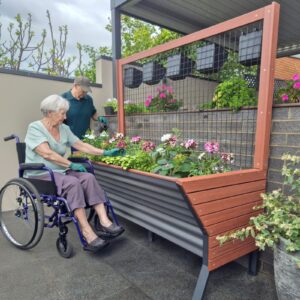
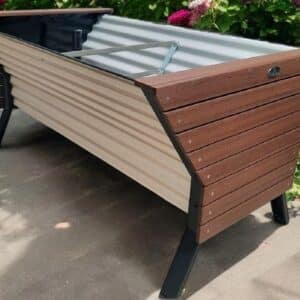
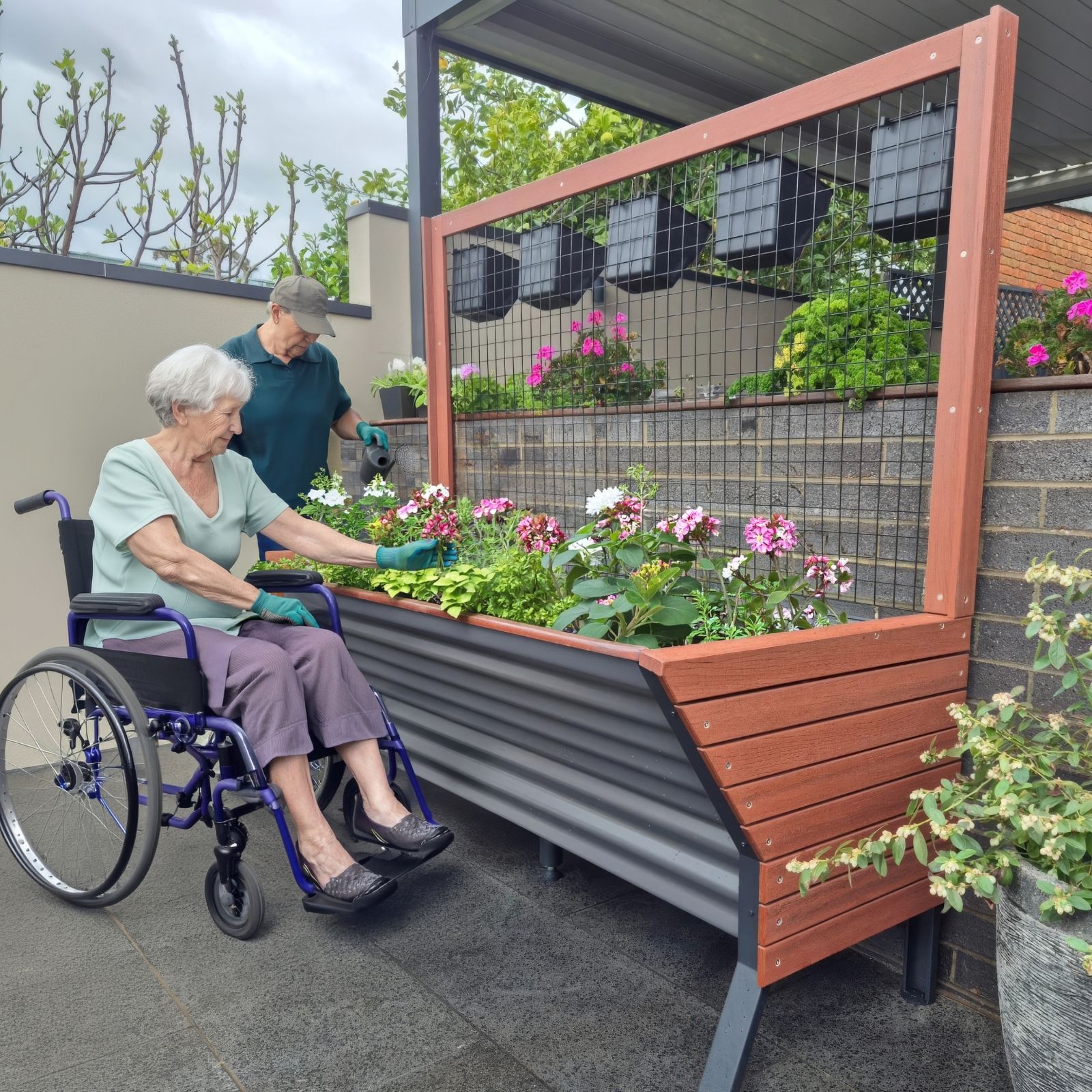
That’s why our wheelchair-accessible planter boxes are designed so residents with different levels of mobility can participate too. Residents can garden comfortably from a seated position or wheelchair, helping make gardening something that can be shared rather than an activity available only to those who can bend, kneel or stand for long periods.
Because perhaps the question we should be asking in aged care isn’t only:
“What can we do for our residents?”
But also:
“What can we enable our residents to do for themselves — and for others?”
Sometimes a small patch of garden can provide much more than herbs, vegetables or flowers.
It can provide connection, responsibility, achievement — and a renewed sense of purpose.

© 2026 Wentworth Care Furniture | Website by Bsharptech
The holiday season fills up fast. Get in touch now and our team will help you plan delivery before the Christmas break. Fill out the form below or call 03 9408 9710. You can also browse furniture available pre-Christmas.